

Oil theft is a significant global issue, causing substantial financial losses and posing severe environmental risks. As the demand for oil continues to rise, so does the sophistication of oil theft methods. To combat this challenge, innovative solutions are necessary.
Enhanced Security Measures
- Advanced Surveillance Systems
Drones: Deploying drones equipped with high-resolution cameras and thermal imaging can provide real-time monitoring of oil facilities and pipelines. Drones can cover vast areas quickly and detect suspicious activities, enabling swift intervention.
CCTV Cameras: Installing closed-circuit television (CCTV) cameras at strategic locations around oil storage facilities and along pipelines can deter theft and help identify and prosecute offenders.

- Access Control Systems
Biometric Authentication: Implementing biometric systems such as fingerprint or retinal scanners can ensure that only authorized personnel have access to sensitive areas. This reduces the risk of insider involvement in oil theft.
RFID Technology: Using Radio Frequency Identification (RFID) tags on oil transport vehicles can help track and monitor their movements, ensuring that oil is not siphoned off during transit.
Technological Innovations
- Blockchain Technology
Blockchain offers a decentralized and tamper-proof ledger system that can track the entire supply chain of oil from extraction to delivery. This technology enhances transparency and accountability, making it difficult for stolen oil to enter the legitimate market. Each transaction is recorded in real time, providing a clear audit trail.
- IoT Sensors
Internet of Things (IoT) sensors can be placed on pipelines and storage tanks to monitor pressure, flow rates, and volume levels. Any abnormal changes can trigger alerts, allowing for immediate investigation and response. IoT technology can provide continuous, real-time data, enhancing the ability to detect and prevent theft.
- Big Data Analytics
Analyzing large sets of data from various sources can help identify patterns and anomalies associated with oil theft. Big data analytics can predict potential theft hotspots and times, enabling proactive measures to prevent incidents.
Community Engagement and Awareness
- Local Community Involvement
Engaging local communities in safeguarding oil infrastructure can be highly effective. Providing incentives for reporting suspicious activities and educating residents about the consequences of oil theft can foster a cooperative environment.
Partnerships with Local Authorities: Collaborating with local law enforcement and government agencies can enhance the effectiveness of anti-theft measures. Joint operations and information sharing can lead to more successful interventions.
- Public Awareness Campaigns
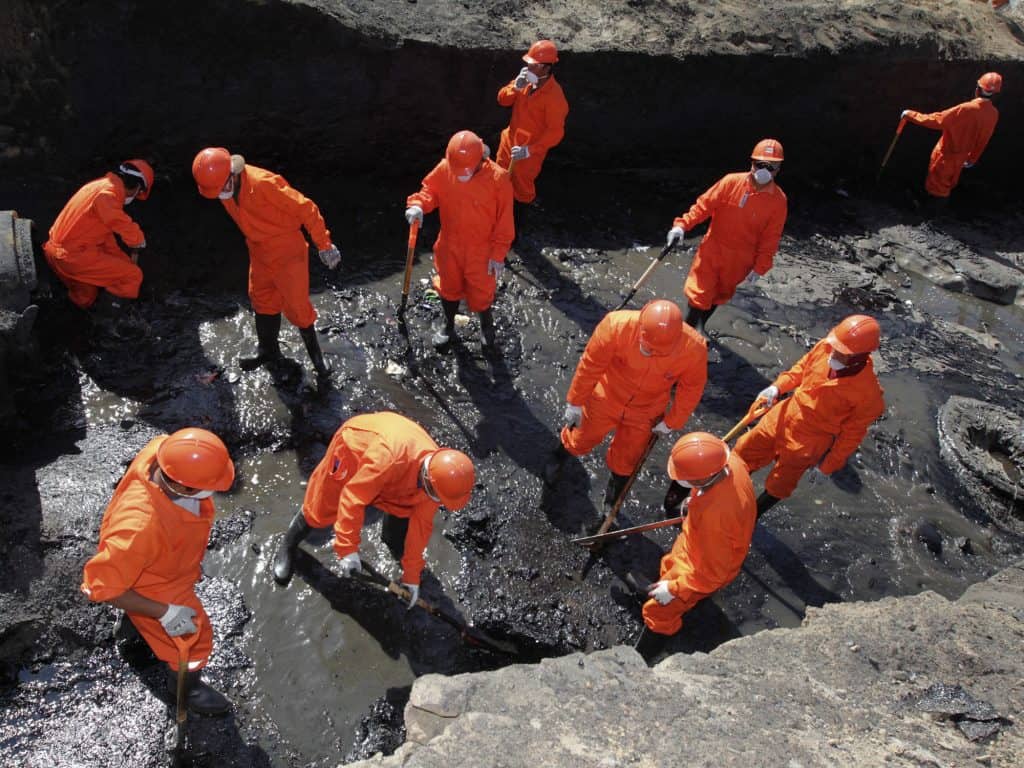
Raising awareness about the economic and environmental impacts of oil theft through media campaigns can garner public support for anti-theft initiatives. Highlighting the dangers and legal consequences of involvement in oil theft can act as a deterrent.
Legal and Policy Measures
- Stricter Penalties and Enforcement
Implementing harsher penalties for those caught engaging in oil theft can serve as a deterrent. Strengthening law enforcement capabilities and ensuring swift prosecution of offenders can reduce theft incidents.
International Cooperation: Oil theft is a transnational issue that requires collaboration between countries. Sharing intelligence, harmonizing legal frameworks, and conducting joint operations can enhance efforts to combat oil theft on a global scale.
- Regulatory Oversight
Governments can enhance regulatory oversight of the oil industry by mandating regular audits and inspections of oil facilities. Establishing clear guidelines and standards for security measures can help ensure compliance and reduce vulnerabilities.
Conclusion
Ending oil theft worldwide requires a multifaceted approach that combines advanced technology, community involvement, robust legal frameworks, and international cooperation.